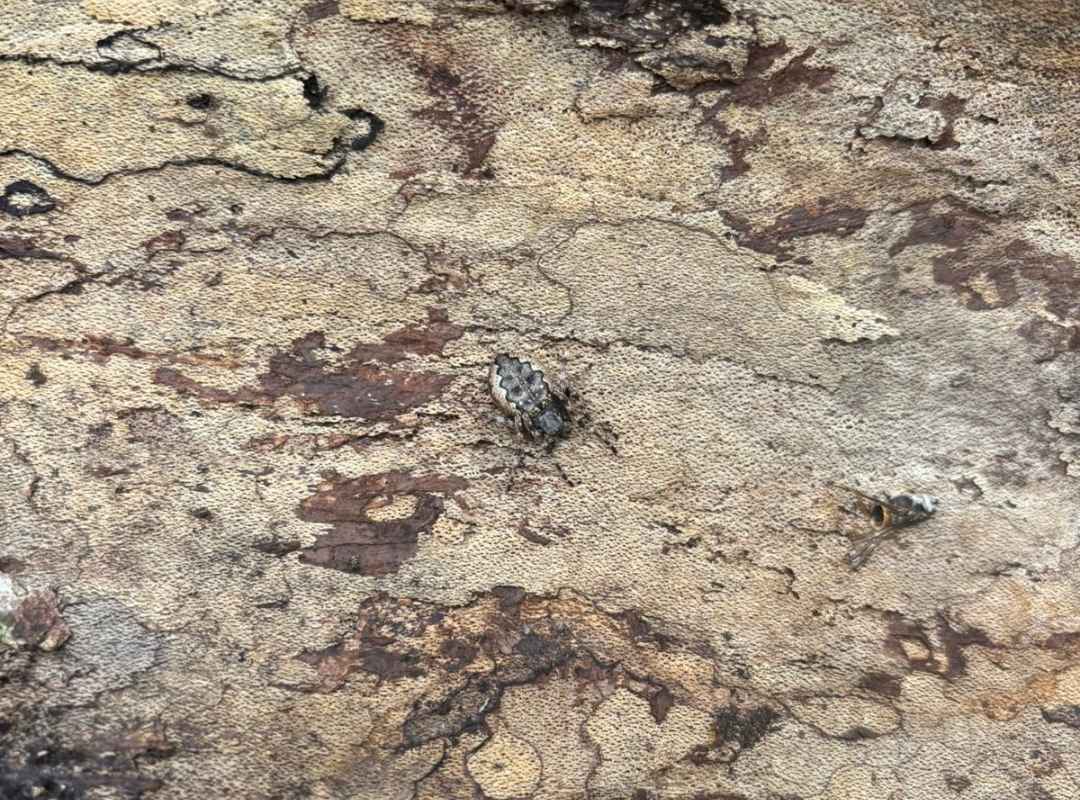
The Hidden World of Watatunga’s Invertebrates
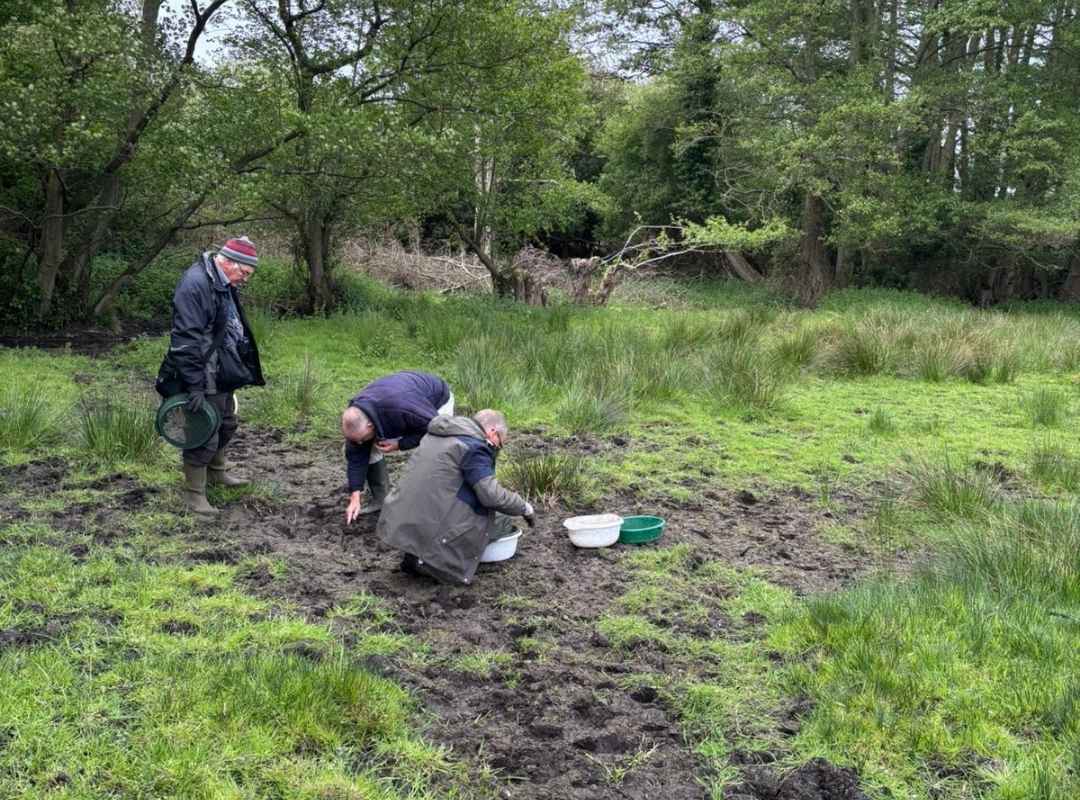
Alongside caring for the animals within our collection, we are continually working to better understand the wider biodiversity of the reserve. By welcoming specialists to carry out ecological surveys, we’re able to learn more about the habitats we’ve created and the incredible native species they support.
One of those experts is Steve Lane, who, alongside Martin Sanford of the Norfolk & Norwich Naturalists’ Society, has been surveying the reserve’s invertebrates. Here, Steve shares some of the fascinating discoveries made so far.
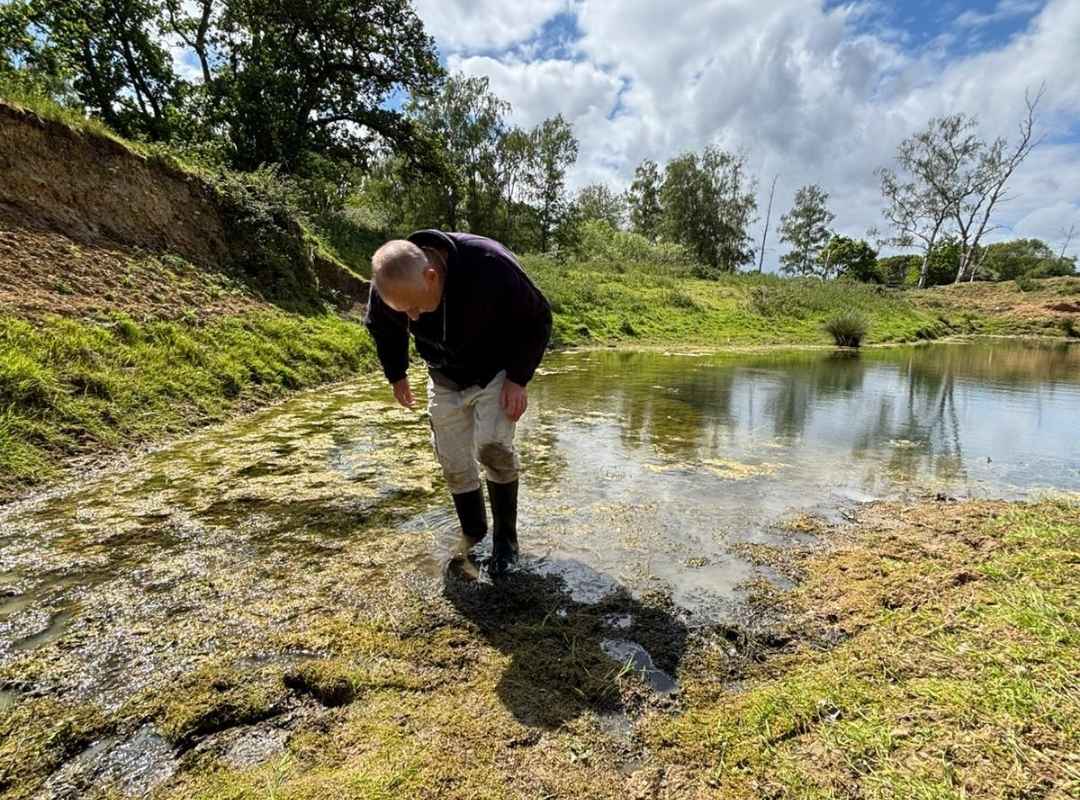
“Watatunga is renowned for its spectacular collection of rare antelope, deer and birds, but some of its most remarkable wildlife is almost invisible. Hidden within the reserve are tiny invertebrates of extraordinary conservation interest.
One of the most exciting discoveries so far is the rove beetle Acrotona nigerrima. At less than 2mm long, this diminutive species was found in water buffalo dung on the reserve and represents only the second known British record, following the first discovery in East Norfolk in 2023.
The dung also supports an even smaller rarity: the feather-wing beetle Smicrus filicornis. Measuring less than a millimetre in length, this species is rarely encountered in Britain and is easily overlooked despite its significance.
While these miniature insects may struggle to compete with Watatunga’s visually stunning mammals and birds, they are no less remarkable. Their discovery offers a fascinating glimpse into a hidden world and could help shape future invertebrate conservation projects at the reserve.”
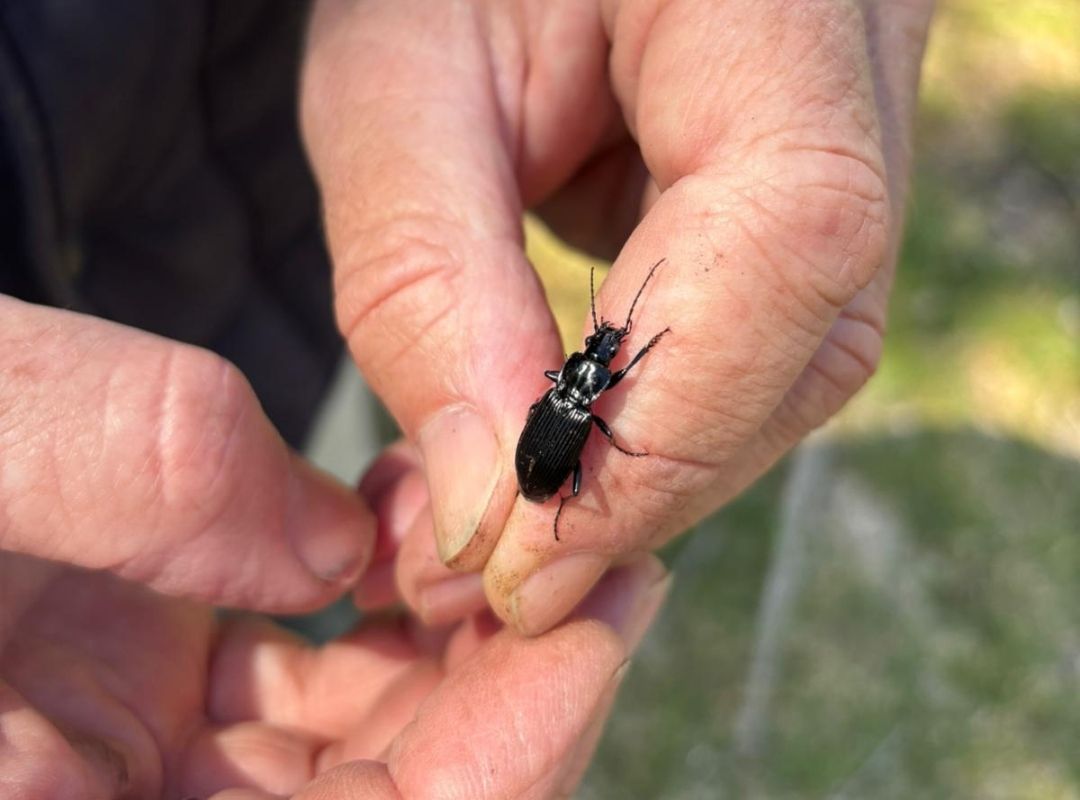
“These finds are just the beginning. As a baseline survey of Watatunga’s insect fauna continues, more discoveries are likely to follow. It has been a privilege for myself and my colleagues to uncover some of these tiny treasures, and we look forward to revealing what else may be waiting to be found.”
Healthy ecosystems rely on thousands of interconnected plants, fungi and invertebrates, many of which quietly perform essential roles such as recycling nutrients, pollinating plants and supporting food chains.
“Working with local specialists allows us to build a better understanding of the reserve year after year. As further surveys are carried out, we hope to uncover even more hidden species across the reserve. It has been a pleasure to work with Steve and Martin and expand my knowledge of these fascinating species.” – Charley, Conservation, Education and Research Officer