
The Future of Conservation at Watatunga Wildlife Reserve
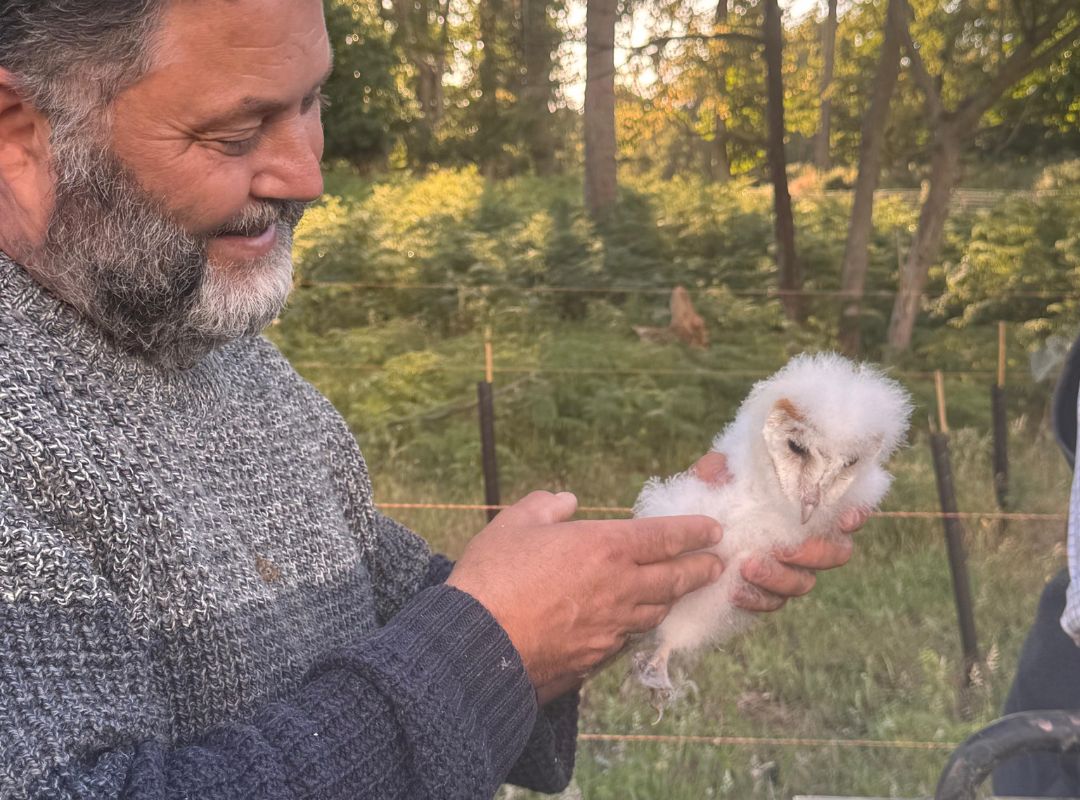
Conservation at Watatunga Wildlife Reserve is evolving into something much more impactful. We’ve moved from being a small team establishing itself to a reserve ready to show why our conservation methods and models matter. Instead of simply holding species and educating the public, we’re shifting towards purposeful, measurable conservation outcomes.
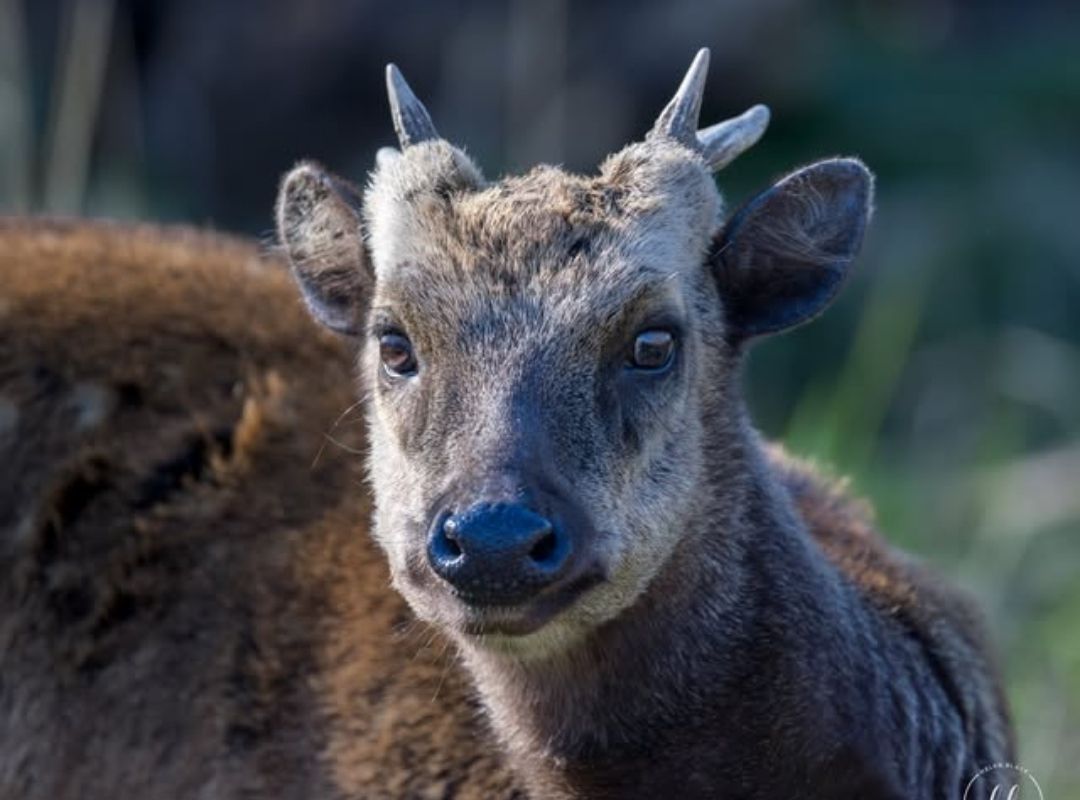
Our work is expanding from looking after our animals to collaborating with conservation networks and universities, helping further the understanding of the species we house and the science behind why we do what we do. We’ve established Watatunga as a place where endangered animals can genuinely thrive, even species like the white-lipped deer that often struggle in traditional captivity. This gives us the foundation to prioritise threatened and vulnerable ungulates and bird species within our collection.
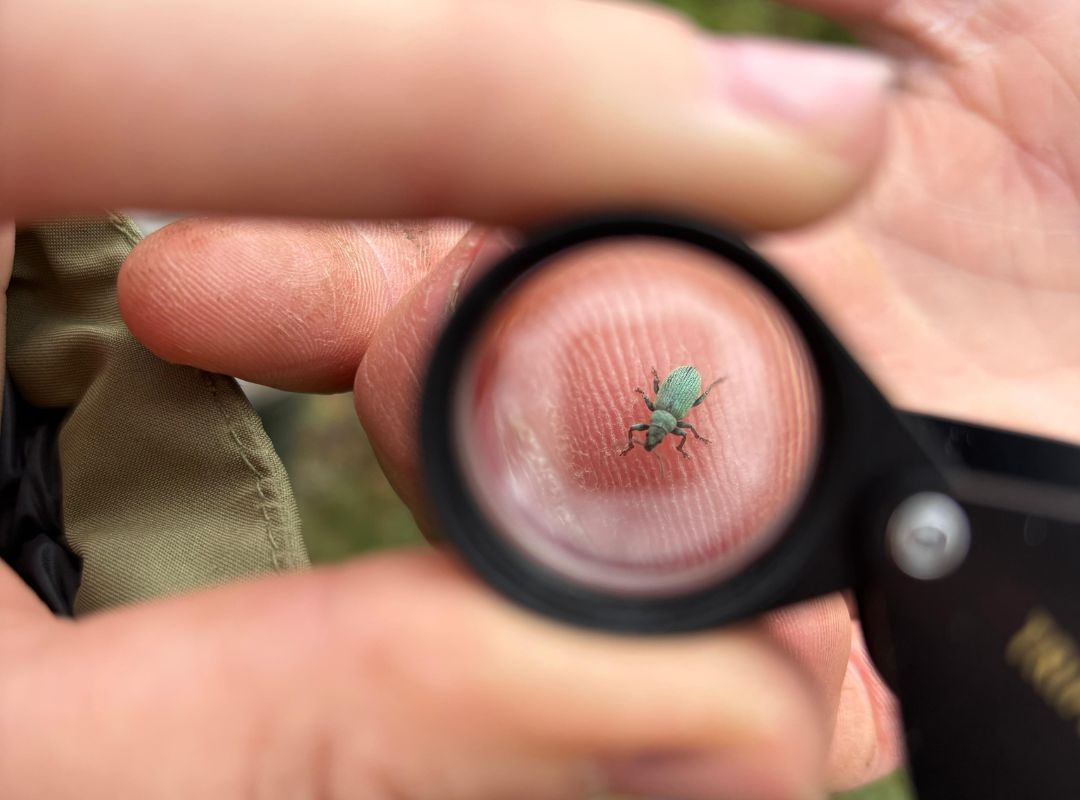
We already have a landscape where our animals can thrive in natural social groups and display behaviours typical of the wild. Now, we look outward, connecting what we do to wider conservation challenges like habitat loss, genetic decline, and species recovery. By carefully managing these habitats to support both our collection and native wildlife and raising public awareness about the pressures facing these species, Watatunga is becoming a place where conservation doesn’t just happen behind the scenes; it’s visible, purposeful, and part of a much bigger global picture.
Priorities of Conservation at Watatunga Wildlife Reserve for the Next 3–5 Years
Over the next three to five years, our biggest conservation priorities are strengthening the species we hold, maintaining healthy habitats, and increasing our broader conservation impact. We want to continue building resilient, genetically sound populations of threatened ungulates and birds that can act as meaningful insurance populations for species under pressure in the wild.
We will focus on maintaining wetlands, grasslands, and forests to support both our headline species and the native wildlife that depends on these ecosystems.
A major focus for the coming years is expanding our contribution to the wider conservation community. This means deepening partnerships with universities and conservation networks so that the work happening at Watatunga can feed into global efforts in species recovery, genetics, behaviour, and habitat management. We also want to involve local ecologists and students in projects that support native species, helping us restore those that are struggling and create the conditions required for new species to thrive.
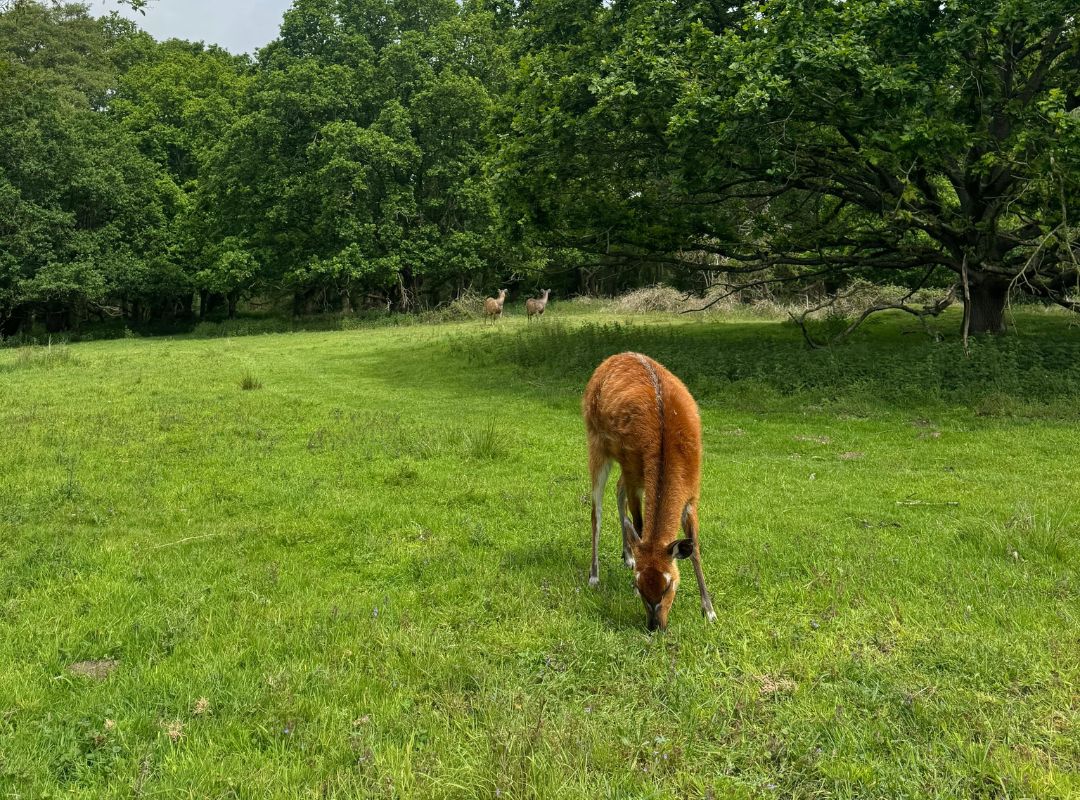
Endangered Species and Habitat Management
These species guide everything we do, from evidence-based management decisions to conservation planning. Focusing on endangered ungulates and birds shapes our conservation approach by driving us to create natural, behaviourally rich habitats and healthy, resilient populations.
Habitat management is central to the success of Watatunga’s conservation work. By maintaining diverse, natural environments, we allow our endangered ungulates and birds to remain healthy, express natural behaviours, and form social structures. Well-managed habitats also support a wider range of native wildlife, creating balanced ecosystems that benefit both our species and the surrounding biodiversity. In addition, these habitats provide a foundation for research and education, allowing us to study species in realistic conditions and engage visitors with meaningful conservation stories. Ultimately, the quality of the habitat underpins everything we do at Watatunga.
At present, we’re working on a new project called our “Biodiversity Base”. This is being developed on a disused area by our reception, transforming it into a living, functioning outdoor classroom. Whilst it has an education element, the core purpose is habitat restoration: creating a space that is functional for wildlife albeit showcasing thoughtful ecological management. The Biodiversity Base allows us to lead by example, showing how habitat restoration can be both functional for wildlife and transformational in impact.
Measuring Conservation Success
There are many ways we assess conservation at Watatunga Wildlife Reserve. One of the main ways we know our conservation efforts are working is by keeping a close eye on the animals themselves. We look at their physical condition, lifespan, breeding success, and natural behaviours. Watching social structures and reproductive patterns helps us to understand which individuals are doing well and who may require additional support. This also helps check genetic health; for example, in ungulates, asymmetrical horns or antlers can indicate inbreeding, so well-formed antlers are a good sign of a healthy, genetically strong population.
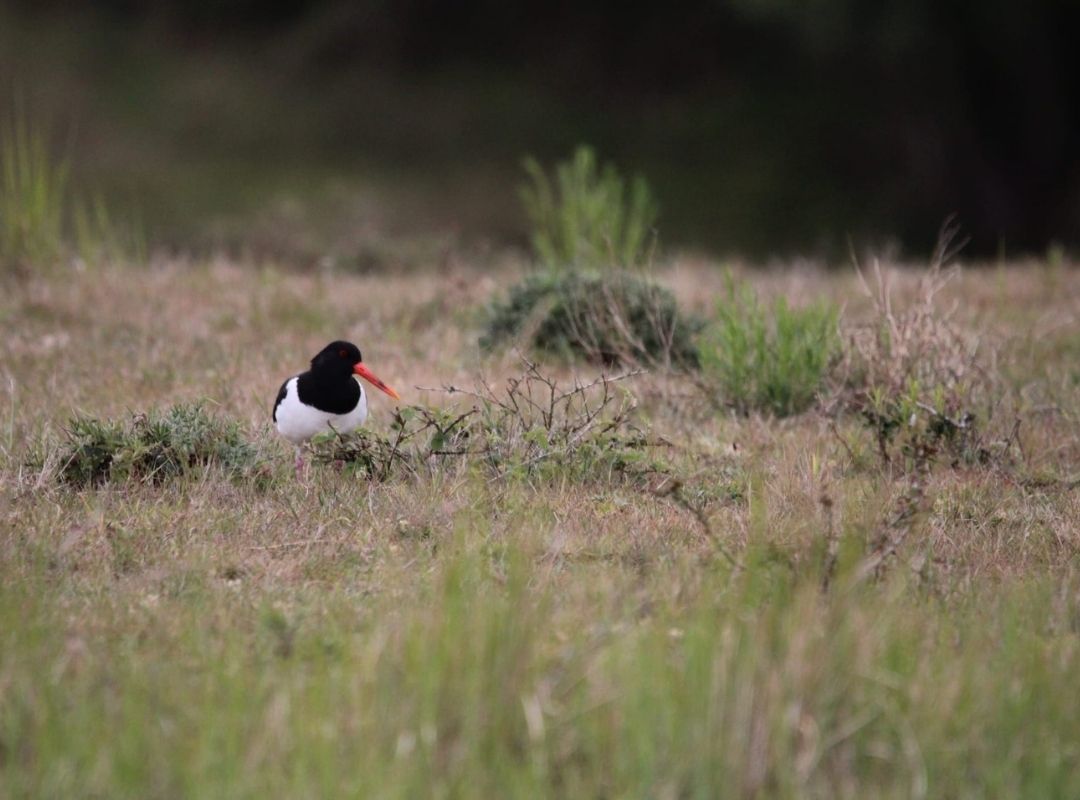
We also look at the habitats they live in and the wider ecosystem. By monitoring the presence and abundance of native species, we can see if our habitats are functioning properly and supporting a balanced, thriving environment. In this way, we can tell whether our conservation work is making a real difference, both for the species we care for and the wider ecosystem.
Monitoring, surveys, and record-keeping are at the heart of conservation decision-making at Watatunga. By carefully tracking the health, behaviour, and breeding success of our animals, we can see which populations are thriving and which need additional support. Surveys of habitats and native wildlife tell us which areas are functioning well and where restoration or habitat improvement may be needed. Keeping detailed records allows us to make evidence-based decisions, adapt management strategies over time, and measure progress toward our conservation goals.
We hope visitors leave appreciating that conservation at Watatunga is active, purposeful, and evidence based. It’s about protecting species today, learning how to do it better, and making a real difference for the future, not just for the animals here, but for similar species and habitats across the world.