Endangered Species Day
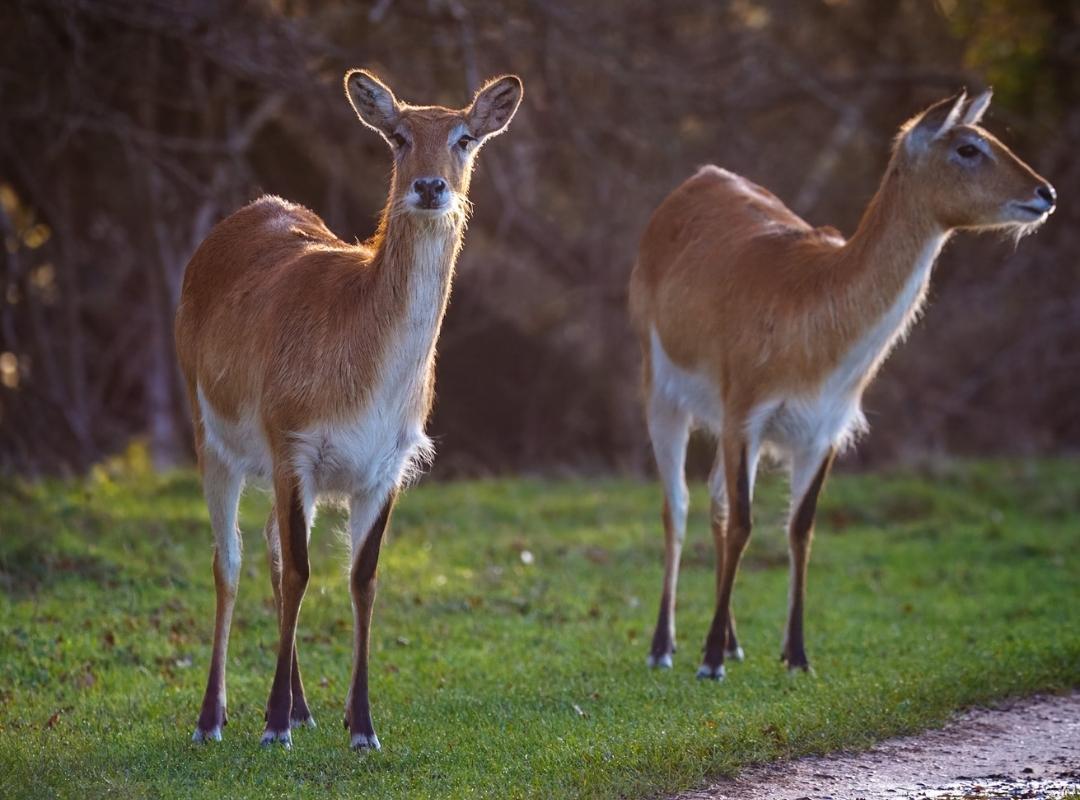
Each year on the third Friday of May, it is Endangered Species Day. This day aims to bring awareness to endangered species across the world and the conservation efforts in place to protect them. At Watatunga, conservation is at the heart of everything we do, which is echoed in our motto: “Conservation today for wildlife tomorrow”. For Endangered Species Day we are breaking down how species are classified as Endangered and our work at Watatunga with these species.
For a species to be classified as Endangered, it must be assessed using the IUCN Red List, the global standard for measuring extinction risk. Scientists evaluate factors such as population size and trends, habitat quality and extent, and the severity of threats like hunting, disease, and habitat loss. Based on this information, species are placed into categories ranging from Vulnerable to Endangered or Critically Endangered.
However, many of these assessments are significantly out of date. Many lesser-known species, including many ungulates and waterfowl like those we care for, haven’t been assessed in over a decade or more. This means their Red List status may not reflect current pressures or recent declines. In some cases, a species may be in a far worse position than its official category suggests, making ongoing conservation work and responsible breeding programmes even more important. It also highlights the importance of focusing on the lesser-known species, rather than the more prolific, charismatic species.
There are several reasons for these outdated assessments, but limited funding and resources play a major role. Lesser-known species tend to attract fewer research projects, fewer field surveys and far less financial support. A good example is the Barasingha deer, a species we participate in an EEP for. They are currently listed as Vulnerable, but their last assessment was in 2015. Their situation may have changed dramatically since then. Many people are unfamiliar with species like the Barasingha, and that lack of a public profile means less far less attention, less funding and fewer opportunities for researchers to collect the data needed for updates.
Why is it important to raise awareness of endangered species?
The IUCN monitors tens of thousands of species and updating them regularly is simply not possible, meaning some groups naturally slip to the bottom of the queue. However, species that gather a lot of public attention bring in funding and research interest meaning there can be a lot more effort put into these species. Awareness is the first step towards action. When people understand why a species is struggling, they’re more likely to support conservation efforts, change behaviours that contribute to declines and value species that may otherwise go unnoticed. Raising awareness also helps direct funding, research attention and policy decisions toward species that urgently need help. There is what seems to be a very fitting quote as it is was recently his 100th birthday. Sir David Attenborough once said, “No one will protect what they don’t care about; and no one will care about what they have never experienced” this is where facilities like Watatunga come in. We bridge the gap and create a connection.
What are the biggest threats currently facing endangered species?
Unfortunately, humans are at the root of many of the challenges endangered species face. Habitat loss, deforestation, hunting and climate change are currently among the most significant threats. Many species are also struggling with emerging diseases and the impact of invasive species that outcompete or prey on them.
The good news is that shifting public attitudes does mean that we’re starting to move in the right direction. Around the world, new legislation and conservation measures are being introduced to protect wildlife and the habitats we share. Whilst there’s still a long way to go, these changes show that positive progress is possible when people care and take action.
Which endangered or critically endangered species do we care for at Watatunga?
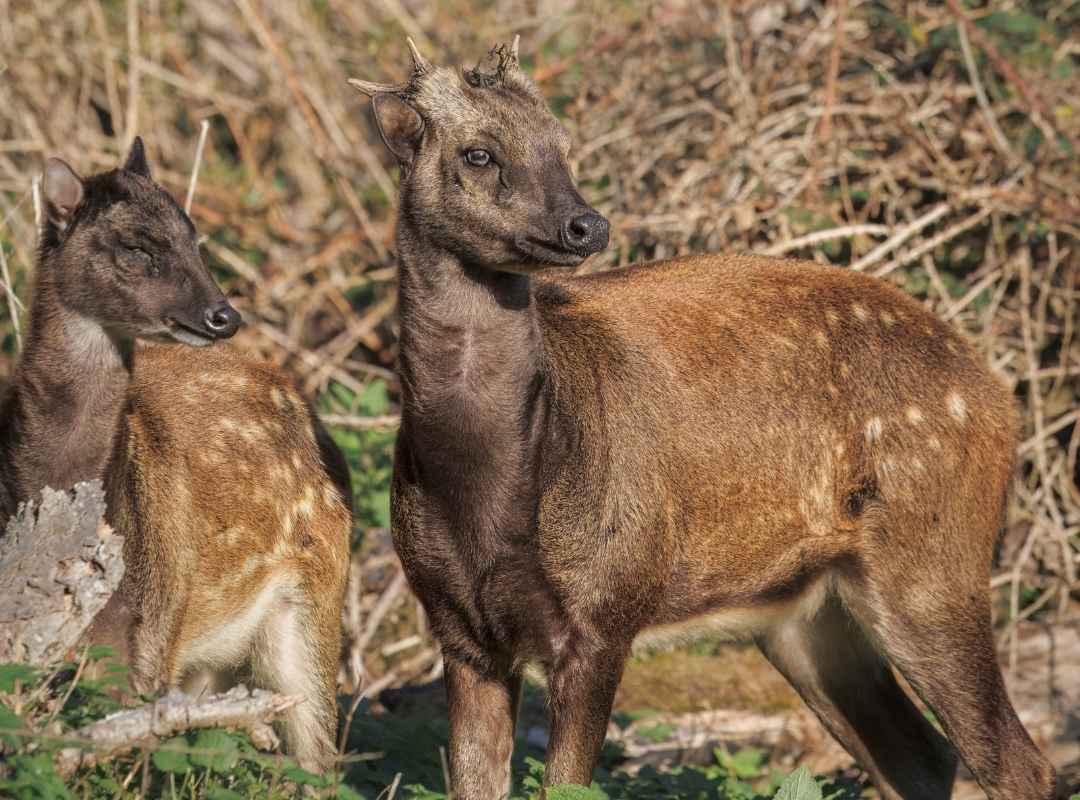
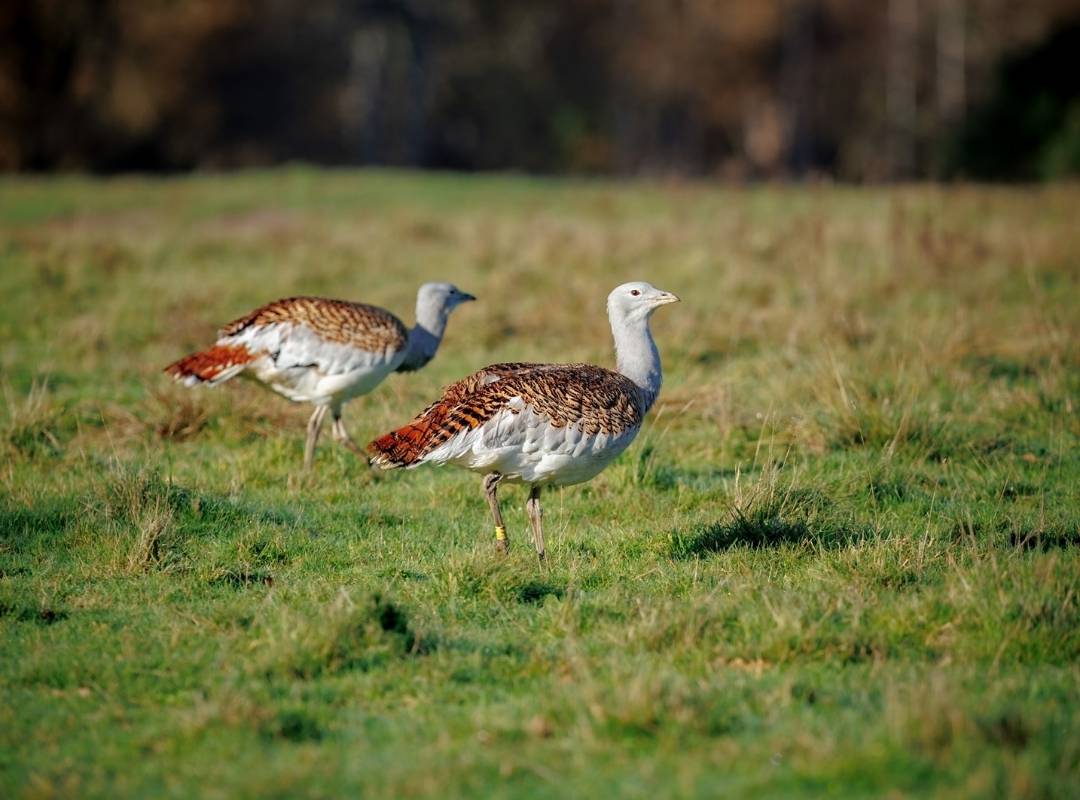
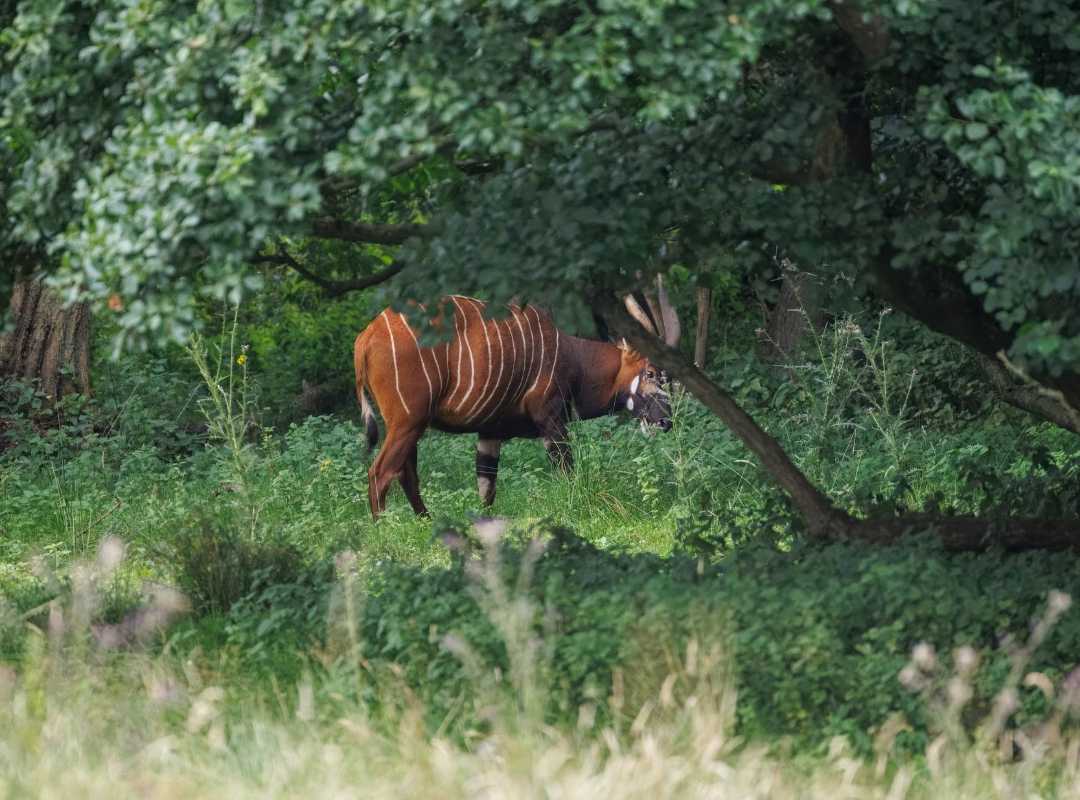
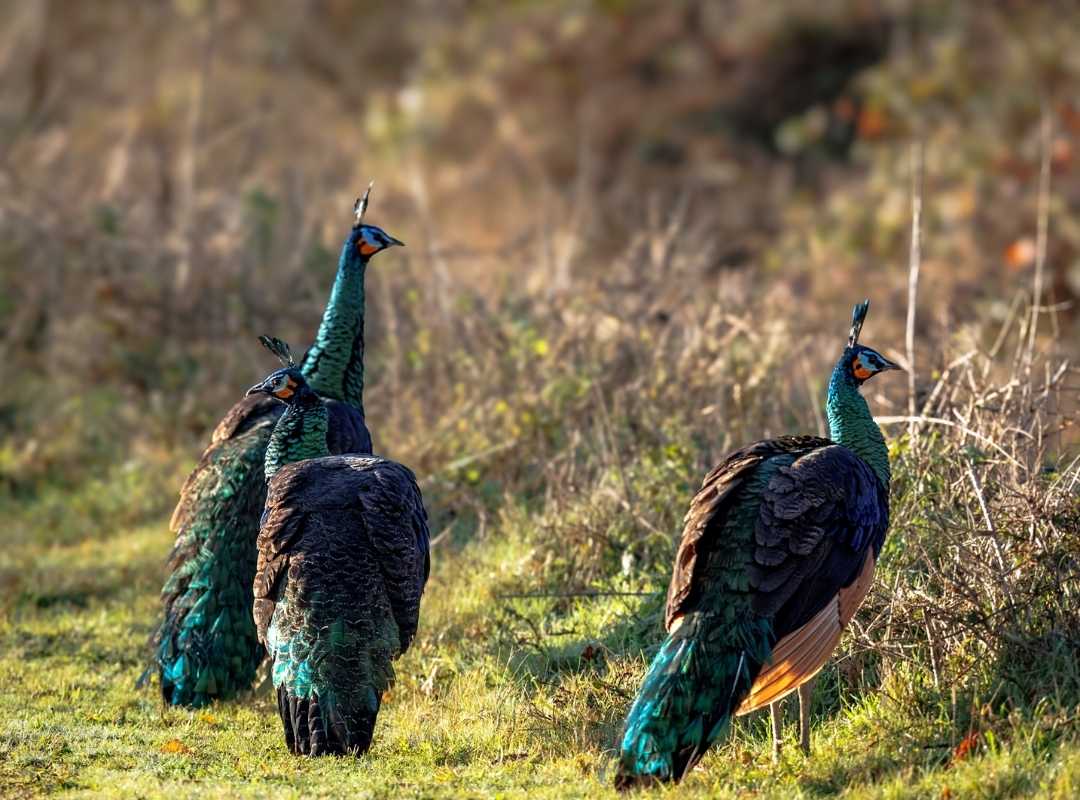
At Watatunga we have many different animals across the IUCN scale. The vulnerable species we currently hold are: Barasingha, Chinese Water Deer, Indian Sambar, Malayan Sambar, White Lipped Deer, and the Red Crowned Crane. The endangered species we hold are; The Kafue Flats Lechwe, Great Bustard, Javan Peafowl, Indian Hog Deer, Pere David, Visayan Spotted Deer, and the Schimitar Horned Oryx. The critically endangered animals that we hold are the Eastern Mountain Bongo and the Vietnamese Pheasant.
What role does Watatunga play in the conservation of endangered species?
We play an important role in the conservation of these species. Our responsibility isn’t just to care for the animals living here, but also to shape public awareness and attitudes toward them. As mentioned earlier, species that attract attention are far more likely to receive funding, research support and long-term conservation action. Every visit to Watatunga is designed to shine a light on the non-flagship species, the ones that don’t always make the headlines but are just as vital to healthy ecosystems. Without these hoofstock and ground-dwelling birds, you wouldn’t have the predators and iconic species that people are more familiar with; they are fundamental components of the food chain.
Alongside education, Watatunga provides a safe, naturalistic environment whereby endangered and vulnerable animals can breed successfully, behave naturally and form stable social groups. By managing genetically important individuals, taking part in European breeding programmes and working with conservation partners, we serve as both a sanctuary and a valuable resource for species whose wild populations are in decline.
How do breeding programmes contribute to species survival?
Breeding programmes such as EEPs (European Endangered Species Programmes) coordinate compatible pairings across Europe to maintain genetic diversity. This reduces inbreeding, protects long-term population health, and creates stable backup populations in human care. These populations can support future reintroductions or rewilding projects and provide vital research insights into behaviour, reproduction and species biology. Our captive animals often allow us to understand their wild counterparts and in turn, often influence conservation projects. Watatunga have just partnered with ‘Wild Track’ which is a great example of this, more information can be found here.
Our involvement in any wider conservation partnerships or programmes
Watatunga currently participates in five EEPs as a BIAZA-accredited facility, and we hope to progress onto EAZA membership so that we can contribute to even more coordinated breeding programmes. We also work closely with several conservation projects, including the Great Bustard Group, the Mount Kenya Wildlife Conservancy Trust, the Saola Foundation and the Talarak Foundation. Closer to home, we support local monitoring groups such as the Norfolk Bat Group, the BTO and the Norfolk and Norwich Naturalists’ Society. These partnerships allow us to contribute to breeding, research, data-sharing and practical conservation work both within the reserve and beyond it.
What makes Watatunga’s approach to endangered species unique?
Our animals live in large, mixed-species habitats rather than traditional zoo enclosures. This allows them to move, graze, socialise and behave naturally, which improves welfare and often leads to stronger breeding success. The results of this can be seen through the first ever White Lipped deer to be born in England and the notoriously difficult breeders of our javan peafowl jumping from a population of 4 to 13!
We take a low-intervention, welfare-centred approach that mirrors wild conditions as closely as possible, offering privacy, choice and space. This helps create offspring that are behaviourally competent and physically robust, ideal for long-term conservation planning.
If you would like to learn more about our conservation work with Endangered species, we have a dedicated conservation page and regularly update what we’re doing on our social media.