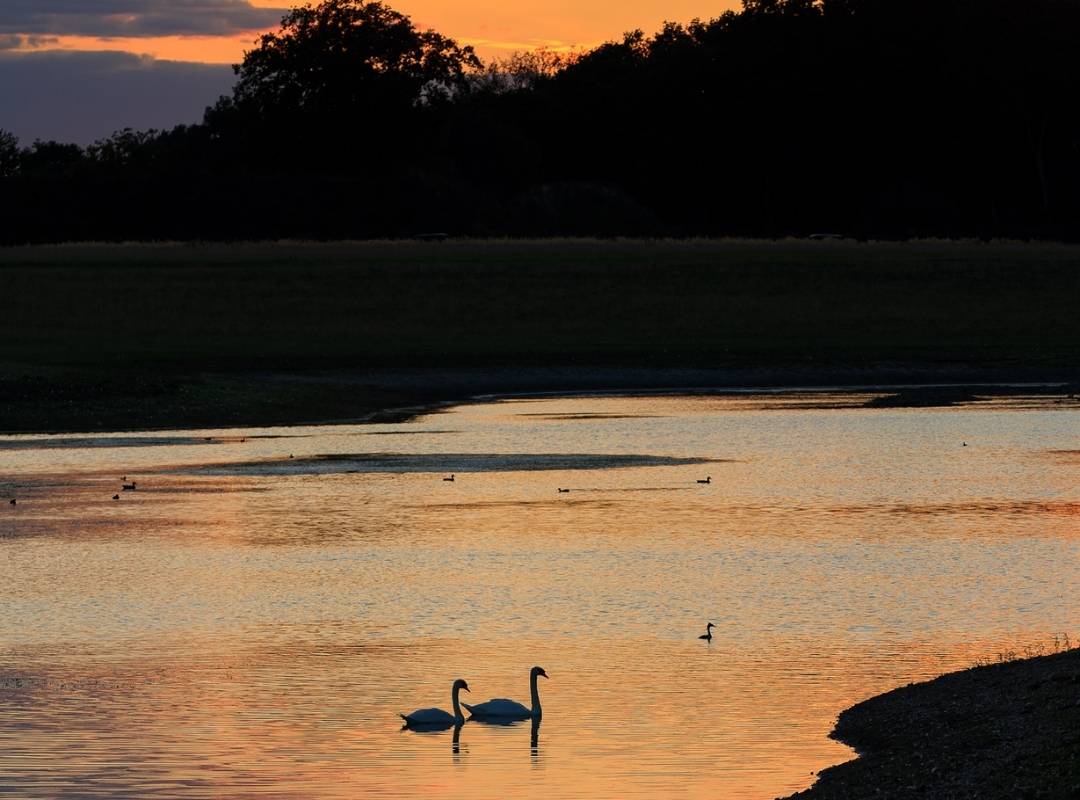
Capturing the seasons at Watatunga through photography workshops
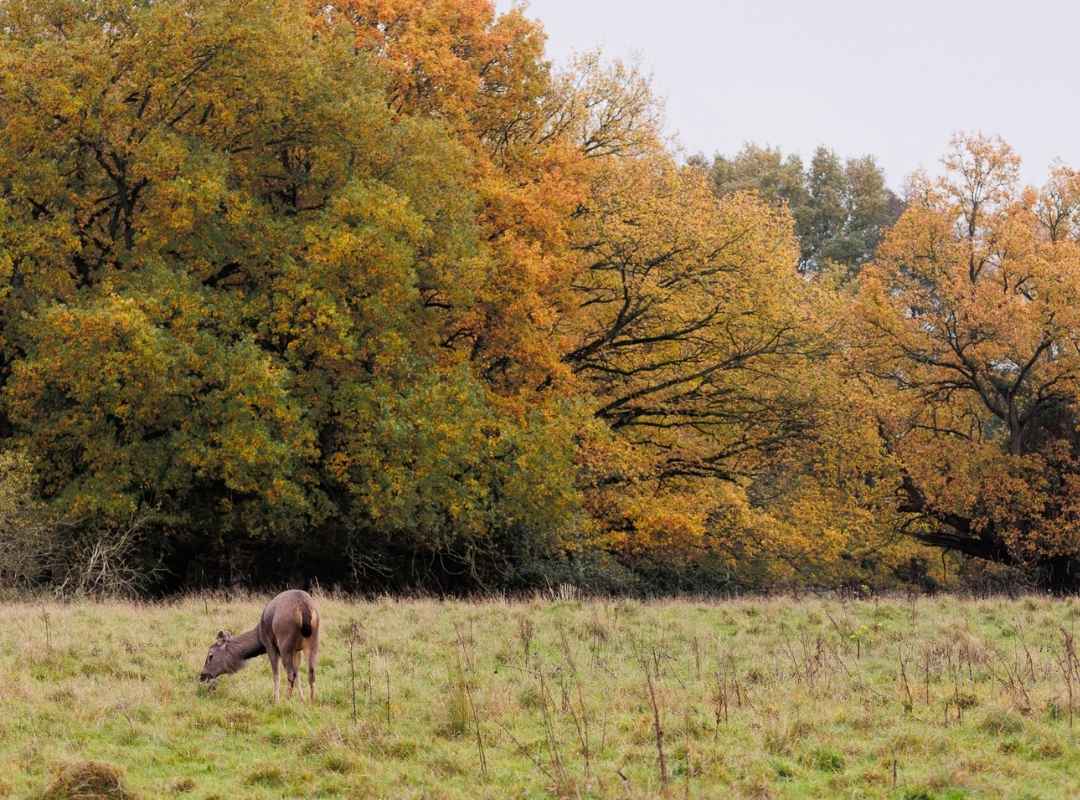
Why every month matters for photography workshops
Written by Helen Black, who guides our Tutored Photography workshops.
One of the joys of living in the UK is experiencing the full sweep of the seasons. The crisp bite of winter mornings, the first shy snowdrops of spring, the hum of summer meadows alive with pollinators, and the rich, earthy glow of autumn. At the reserve, these seasonal shifts feel even more vivid. The landscape transforms month by month, and with it, the animals themselves. It’s a place where no two visits are ever the same, and that’s exactly why I love running photography workshops here throughout the year.
Wildlife that changes with the seasons
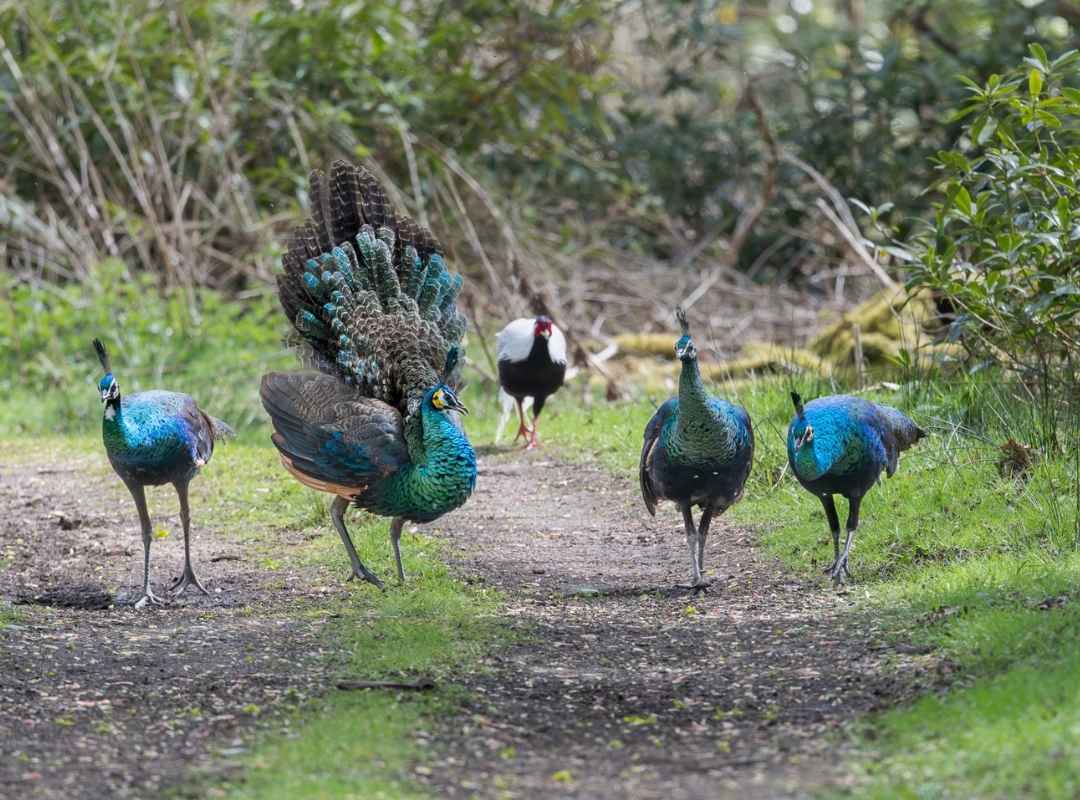
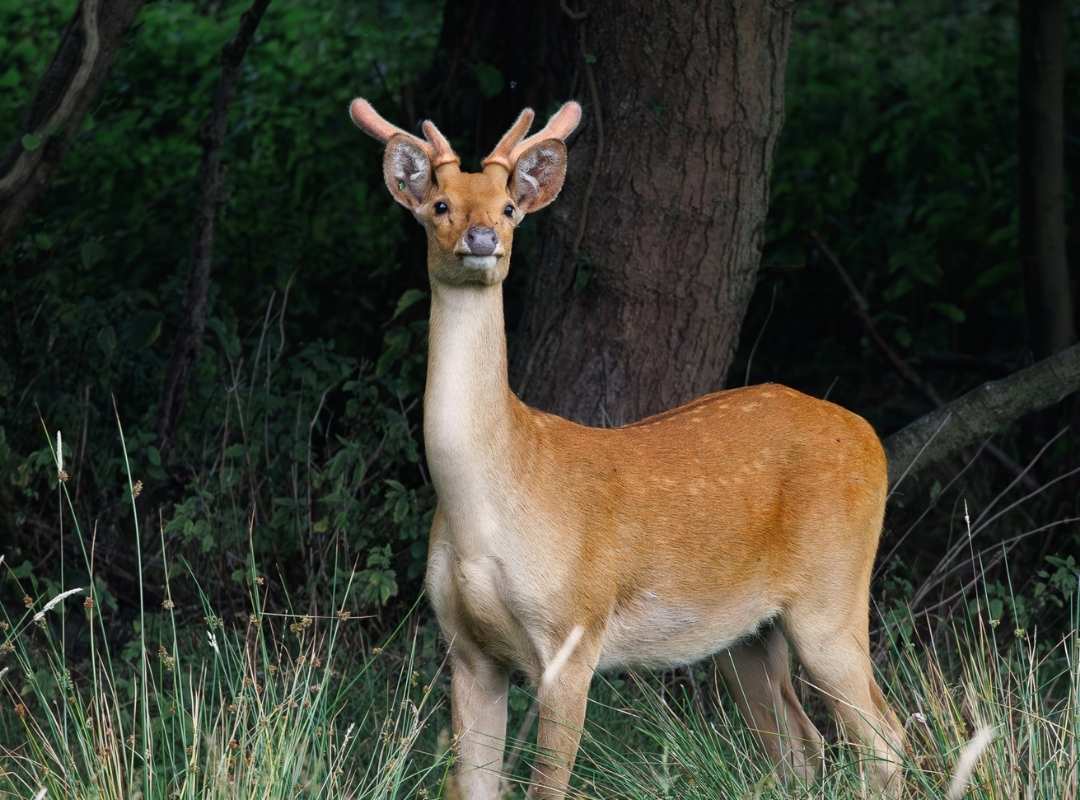
Visiting the reserve across different seasons reveals just how dynamic wildlife can be. Animals change in appearance, behaviour, and energy as the year unfolds. Hormonal shifts bring new coat colours, brighter plumage, or the growth and loss of antlers. Spring welcomes newborns taking their first wobbly steps, whilst summer showcases birds in their full breeding finery.
Behaviour tells its own seasonal story too. Many species of deer begin sparring and bellowing during the autumn rut, filling the reserve with drama and tension. Birds such as peacocks, pheasants, and bustards perform elaborate displays, fanning tails or contorting into extraordinary shapes in hopes of impressing a mate. These natural rhythms create endless photographic opportunities, each season offering something entirely different.
Seasonal Photography Workshop Challenges, and why they’re worth it
Every season brings its own photographic quirks. Winter and early spring often mean low light, whilst summer can deliver harsh brightness and heat haze. These challenges are part of the adventure, and during my tutored photography workshops, we explore how to work with, not against, the conditions. Having photographed the reserve in everything from sideways rain to blazing sunshine, I can share practical tips and real examples to help you make the most of whatever the weather throws at us.
Why “Bad” weather can be the best weather
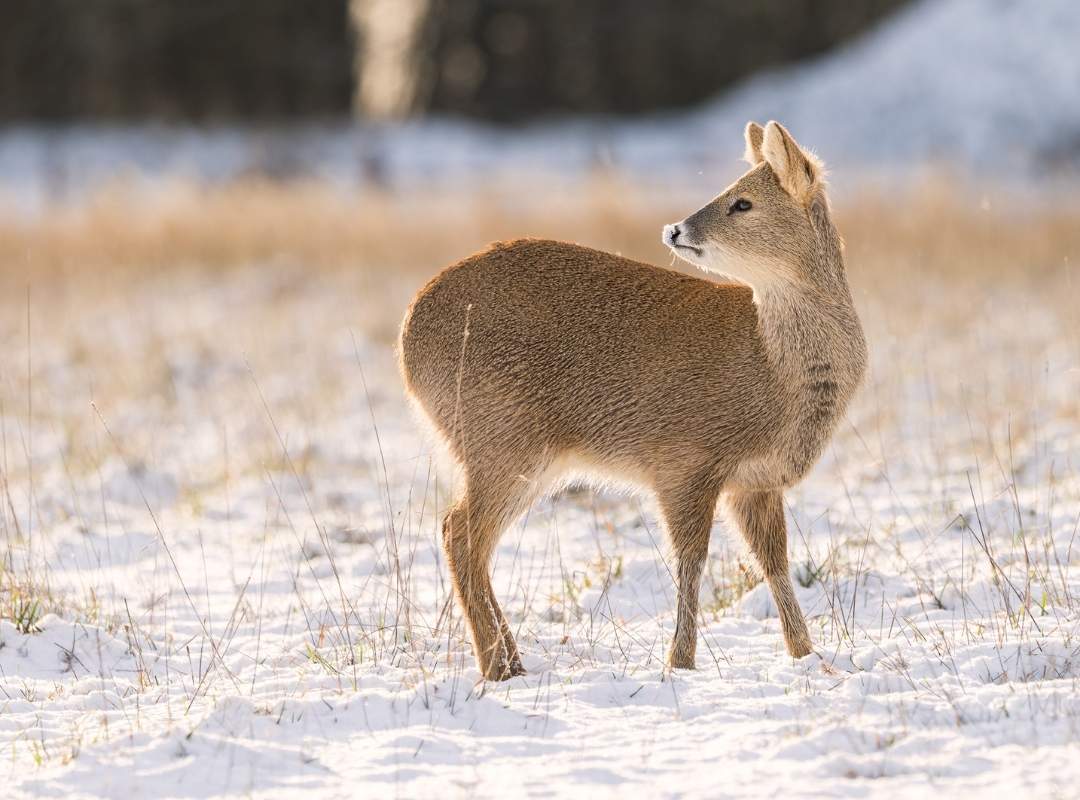
People often ask why I head out with my camera in the rain or snow. The truth is, wildlife doesn’t stop for a bit of British weather, and neither should we. There is no such thing as bad weather just bad clothing. So with a bit of preparation, a grey day can be a gift. Wet fur and feathers create texture and mood, and a brooding sky adds drama that a cloudless blue simply can’t match.
After a recent snowfall, Watatunga was transformed into something magical. Watching African species navigate the white landscape with surprising ease was a reminder of how adaptable wildlife can be. The bright winter light and reflective snow made for stunning images, and very cold fingers.
Looking ahead
As we move into the year ahead, I’m excited for another year of seasonal surprises. Whether it’s the first call of the cuckoo to signify spring has arrived, the height of summer activity, or the deep colours of autumn, the reserve always has something new to offer.
If you are interested in photography and would like to capture photos on the reserve. Join me for my tutored photography workshops, where I’ll guide you through camera settings, light management, and fieldcraft so you can capture the unique beauty of each moment. Whatever the season, the reserve is a place of constant change, and that’s what makes it such a rewarding place to photograph.