
Experiencing a Dawn Chorus Tour in Norfolk
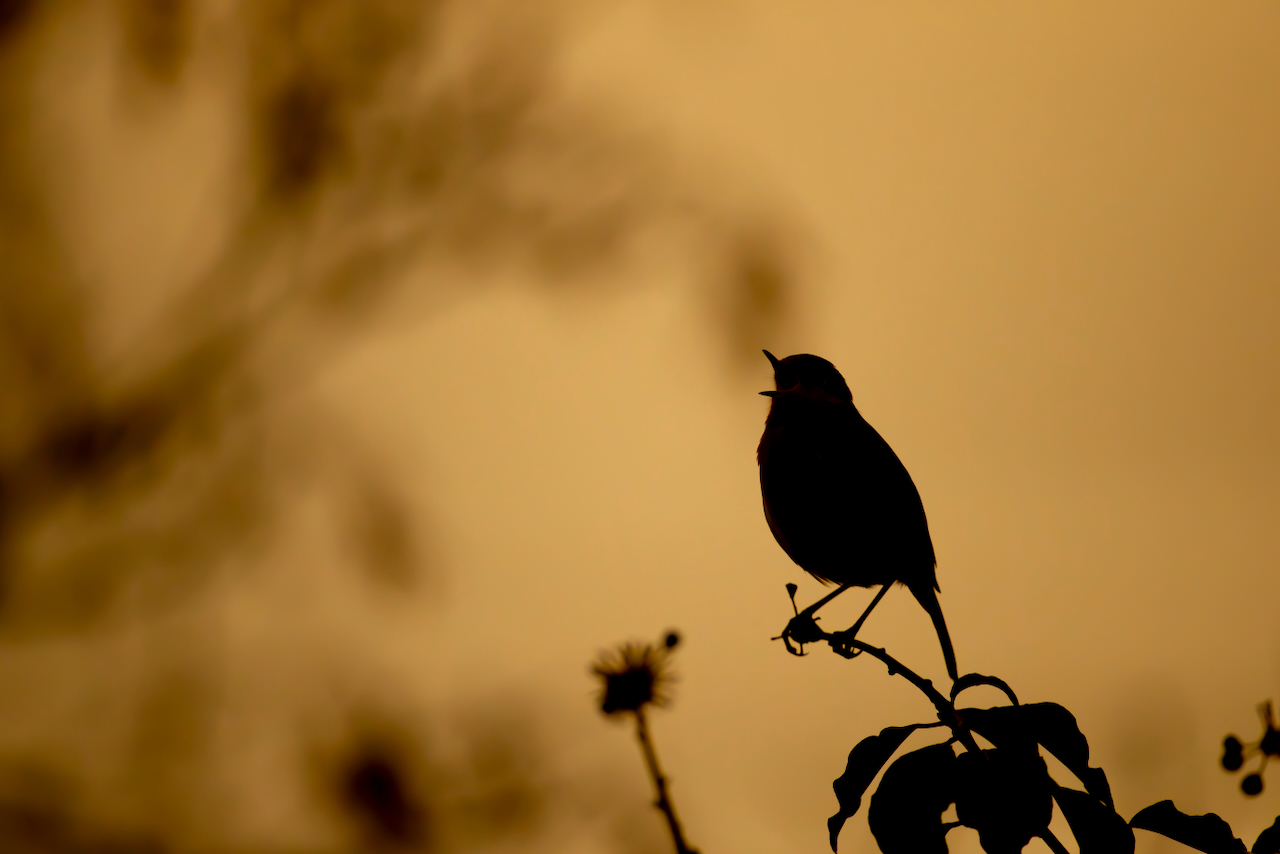
Written by Wildlife Conservationist Ajay Tegala, our Dawn Chorus Tour Guide.
The Dawn Chorus in May has to be one of this country’s greatest nature spectacles. Even if you’re not normally an early bird, pick a dry, still morning in May to head to your local park, woodland or nature reserve and you will be glad you made the effort!
In the first light, with virtually no other sounds to compete with, birdsong is so much louder than at any other time of day, carrying in the cool morning air. And it’s so rich too. You don’t have to be in a prime nature spot to hear blackbirds and robins singing their hearts out.
If you can make it to Watatunga on Sunday the 3rd of May – International Dawn Chorus Day, no less – you will be in for a real treat. With a mixture of woodland, grassland and wetland, the wildlife reserve is hotspot for bird life, and the Dawn Chorus Tour is the perfect way to experience these avian songsters in all their glory.
The Sounds of the Dawn Chorus
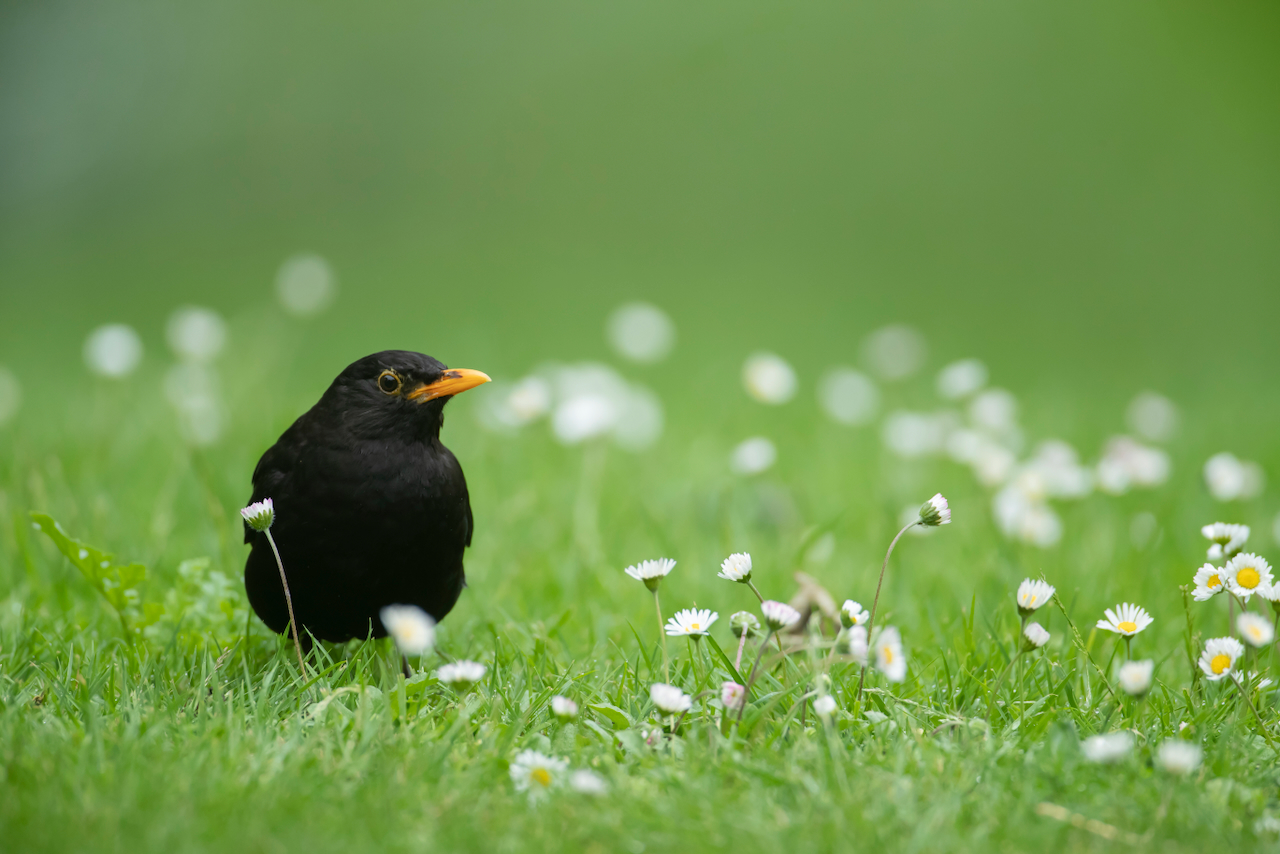
The dawn chorus commences just before first light, when the hooting tawny owl hands the baton to the blackbird. Around 5am, their melodic songs are projected into the morning air, the rich, fluty tones having profoundly inspired poets, songwriters and artists for centuries. Just like another bird also synonymous with our countryside: the skylark, with its energetic, chain of trills and chirrups lasting many minutes continuously.
Some say the nightingale owns the crown of beautiful British birdsong. While some of these West African migrants visit West Norfolk, they are sadly very rare these days. We may not hear them at Watatunga, but the blackbird is arguably just as gorgeous – and listening at first light is the perfect way to really appreciate them.
Hot on the tail of the blackbird are some of our other best-loved common or garden species. The song thrush is in the same family: Turdidae, which literally means “thrush family”. Their song is a bit louder, higher pitched and more repetitive (repeating phrases in succession), almost sounding a bit more desperate, which is apt as they have declined so dramatically over the past half-century. We may also hear the mistle thrush, its song often projected from high perches and distinguished by long pauses.
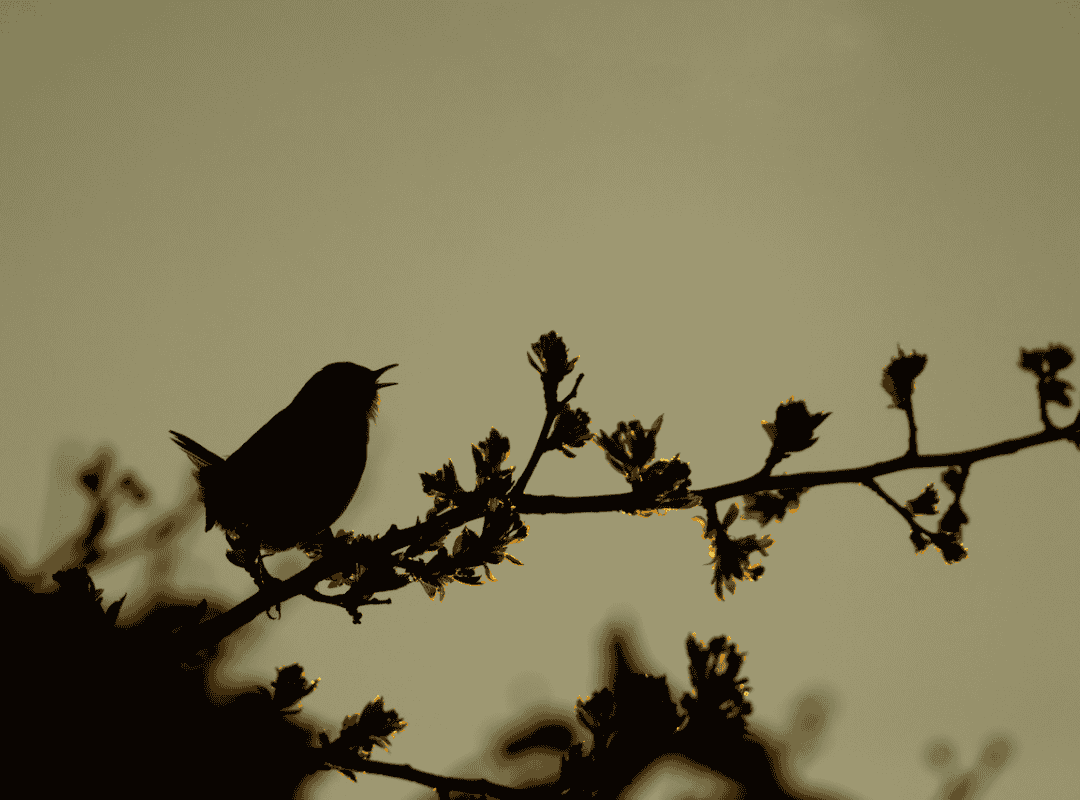
Then there are the descending notes of the much-loved robin – one of the few birds to sing year-round – and the small-but-mighty wren with its burst of ringing notes. Another tiny bird with a big voice is the Cetti’s warbler, whose explosive bursts of staccato notes are projected a little later in the morning, as the light increases.
A Relaxed Morning in Nature
Identifying bird calls by their timing, pattern and pitch may seem like a serious, scientific study, but don’t let that put you off, even if it seems overwhelming. Perhaps the best thing about birdsong is its beauty and the emotion it evokes. Pure, natural music. I love losing myself if the wave of sound. The more I listened and spent time with knowledgeable enthusiasts, the better I became at recognising individual species by their song – starting simple.
One of my favourites are chaffinches (sadly, another species in decline). A cheerful, descending trill ending with a fast flourish, I think of their call like a ping pong ball bouncing and then pinging off at the end. That may sound a bit silly, but it sticks in my mind!
One of the most user-friendly bird calls to learn is the cuckoo, which conveniently says its name. Although it is another species in decline (have you noticed a recurring theme yet?), I am hopeful we will hear one at Watatunga. It is only the males that “cuck-oo”, which they do to attract the females who themselves inconspicuously watch other birds’ nests, awaiting the opportunity to speedily, cleverly lay an egg that mimics the host species.
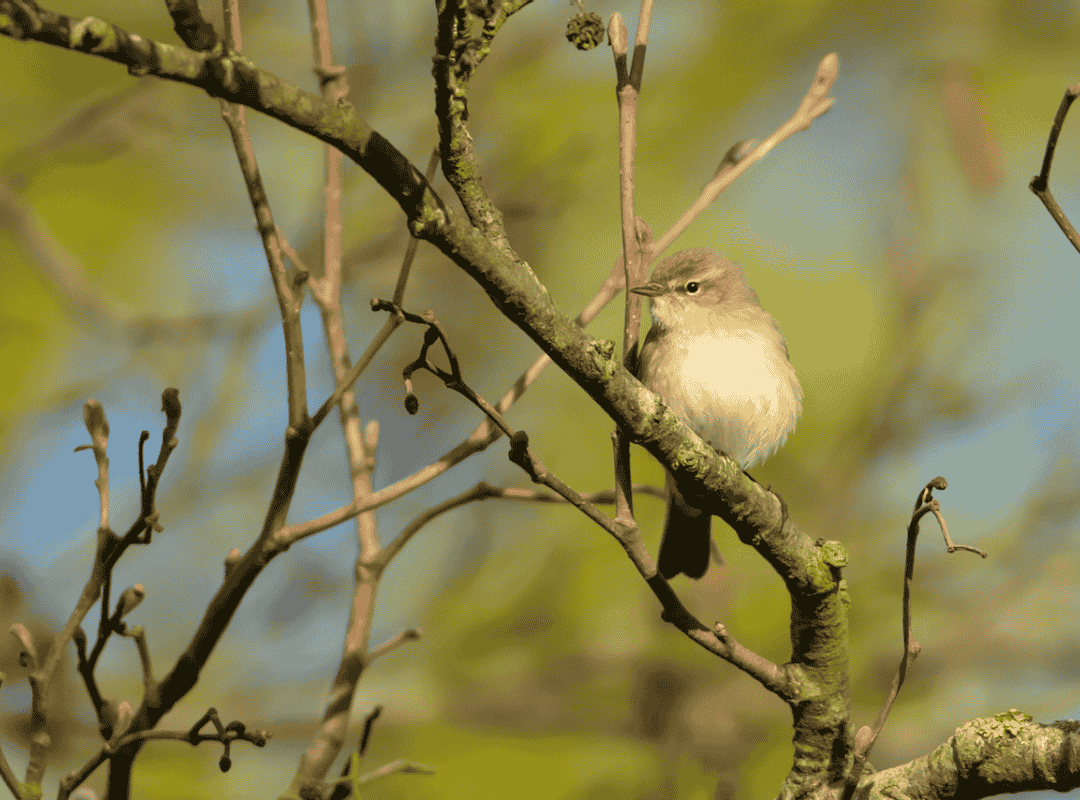
Another bird that says its name is the chiffchaff. One of many migrant warblers, most of which are the classic “little brown jobs”. Although some chiffchaffs and blackcaps now over-winter in Britain, in spring we hear their song across the landscape along with willow warblers and whitethroats. The blackcap can be picked out by their black crests (brown, for the females), but some of the others are easier to distinguish by call than appearance – and there is no shame in using the Merlin app to help you do this.
What makes the Dawn Chorus at Watatunga different?
Within wetland areas such as those at Watatunga, we will undoubtedly hear the cheerful chirruping and chattering sounds of swallows and sand martins feeding on flies above the water as the morning progresses. Hopefully “screaming” swifts too, with their scythe-shaped wings. Whizzing through the sky like arrows, swifts are the fastest bird in self-propelled flight (recorded flying up to 69mph). Watatunga have a dedicated Sand Martin nestbox whereby around 100 individuals nest year on year.
Watatunga is also home to Eurasian or common cranes, whose eerie, prehistoric-sounding calls may also be heard drifting across the landscape, adding depth and drama to the dawn chorus along with their red-crowned cousins. Other exotic species in their conservation collection include silver pheasants, Javan peafowl and helmeted guineafowl, which may also add their international voices to the sunrise choir.
I can’t wait to witness Watatunga’s soundscape on International Dawn Chorus Day. Why not join us for an hour-and-a-half guided tour, tuning into the first bird songs of the season and sharing their stories. The tour concludes with hot drinks and freshly baked pastries served at the serene lakeside BBQ hut. I always say that breakfast tastes best at the end of a dawn chorus! Book the Dawn Chorus Tour here.

About Ajay, your Dawn Chorus Tour Guide
Ajay Tegala is an experienced ranger and conservationist, having spent years working at Blakeney Point, featured in his first book The Unique Life of a Ranger, and at Wicken Fen, which inspired his second book, Wetland Diaries. A gifted storyteller, Ajay has a natural ability to bring people closer to the world of wildlife, making even the smallest details feel fascinating and accessible.
He’s widely recognised for his appearances on Springwatch, Countryfile, Winterwatch, and BBC Look East, as well as for presenting the BBC Two documentary Inside the Bat Cave. He also shares his knowledge regularly on Radio Cambridgeshire, offering insights into the natural world throughout the seasons.
Over the course of his career, Ajay has worked closely with breeding seabirds, studied wildflowers, and helped manage England’s largest grey seal rookery. Alongside this, he is a passionate advocate for conservation, serving as a Green Jobs for Nature ambassador and supporting Butterfly Conservation. For the past 15 years, he has been actively monitoring butterfly populations across East Anglia.
If you’d like to experience Ajay’s storytelling first-hand, he’ll be joining us at Watatunga Wildlife Reserve for a special one-night-only evening talk on 7th July 2026, from 6–7pm. Expect a relaxed and engaging evening filled with stories, insights, and a shared appreciation for wildlife and conservation. Learn more here.