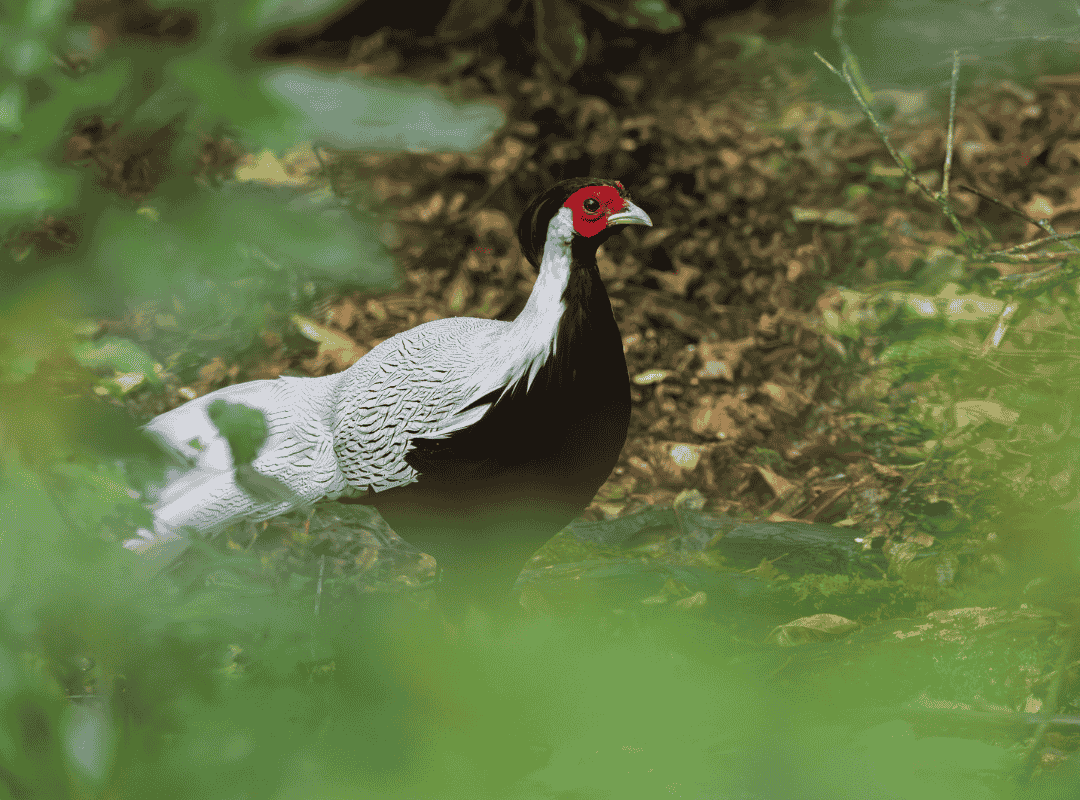
World Wildlife Day: Medicinal Plants and Wildlife Conservation

Every year on 3 March, World Wildlife Day is celebrated across the globe. The date marks the anniversary of the signing of CITES (the Convention on International Trade in Endangered Species) in 1973. It is an international agreement created to ensure wildlife trade does not threaten the survival of species.
Since being officially recognised by the United Nations in 2013, World Wildlife Day has become a moment to reflect on how deeply people depend on nature. It’s not only for food and shelter, but also for medicines, materials, livelihoods and cultural heritage.
In 2026, the theme focuses on “Medicinal and Aromatic Plants: Conserving Health, Heritage and Livelihoods.”
Why Medicinal and Aromatic Plants Matter
Around the world, tens of thousands of plant species are used for medicinal and aromatic purposes. From traditional remedies to modern pharmaceuticals, plant compounds continue to play a vital role in healthcare systems globally. In many countries, much of the population relies on plant-based traditional medicine as a primary form of healthcare.
Medicinal and aromatic plants are more than ingredients in medicines. They stabilise soils, provide nectar for pollinators, create habitats, and support rural traditions. Yet many medicinal and aromatic plants face increasing pressure from habitat loss, overharvesting, climate change and illegal trade. A significant proportion of species used worldwide are now considered to be threatened.
World Wildlife Day is a reminder that effective wildlife conservation depends not only on protecting animals, but also on safeguarding the plant species and habitats that sustain them.
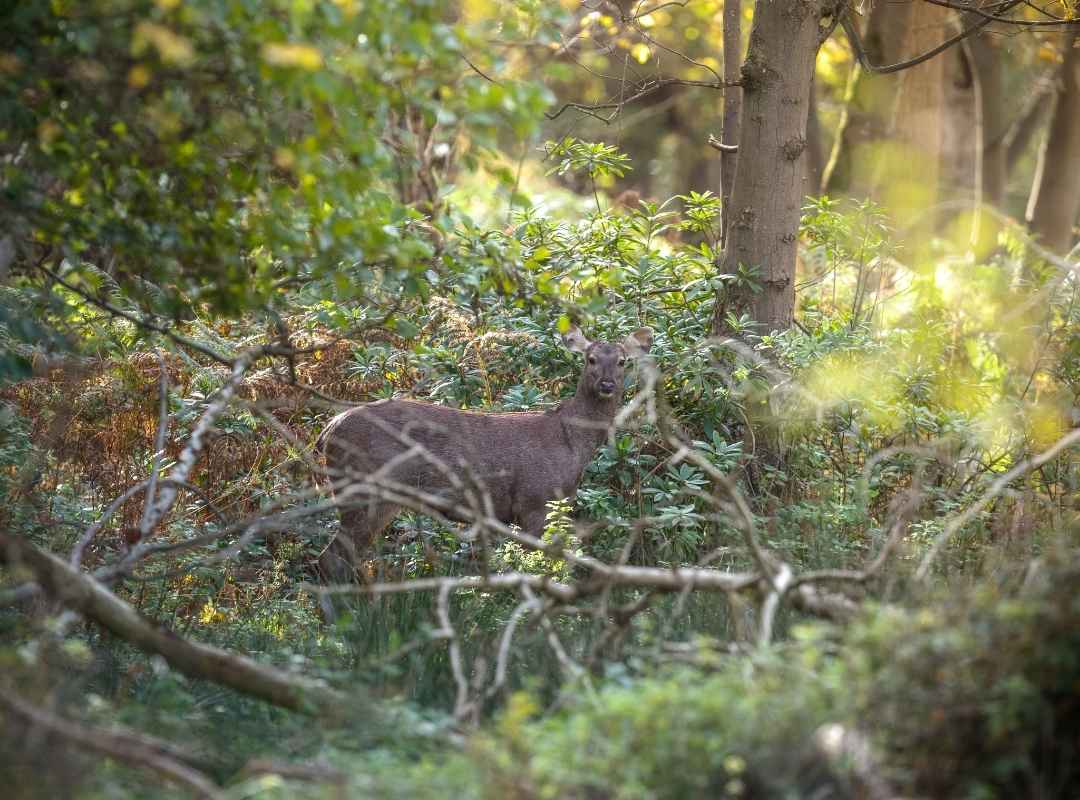
Medicinal and Aromatic Plants Growing at Watatunga
To mark this year’s theme, our Conservation, Education and Research Officer has identified a selection of medicinal and aromatic plants growing across the reserve that aid wildlife conservation. Many of these species have long histories in traditional medicine, but they also tell us something important about the health of our habitats.
Foxglove
A well-known medicinal plant and the natural source of digitalis compounds, historically used to treat heart conditions. It grows along woodland clearings in the reserve. Its presence indicates healthy, semi-shaded woodland with good soil structure. Foxglove flowers are important for long-tongued bumblebees.
Bracken
Historically used for animal bedding, compost and occasionally as an antiseptic dressing. It is common in dry woodlands and open scrub. Bracken provides cover for invertebrates, amphibians and ground-nesting birds. Whilst species like Eastern Mountain Bongos and Water Buffalo do not browse on the bracken, their movement through the dense vegetation bed that bracken forms helps to maintain the open and shaded habitat balance where bracken naturally grows.
Oak
Oak bark has long been valued for its tannins in traditional remedies. Oak is a keystone species, supporting hundreds of insects, lichens, fungi, birds and mammals. Acorns provide food for a range of wild birds onsite. Healthy oak stands show that our woodlands are stable and biodiverse.
Bramble
Bramble has been used in teas and traditional digestive remedies. Its flowers support pollinators throughout summer, whilst berries feed thrushes, blackbirds and small mammals. Dense bramble thickets also create sheltered movement corridors for our smaller deer and antelope species.
Ferns
Historically associated with bedding and various aromatic uses. Ferns thrive in shaded, moist woodland areas with healthy soils. They support invertebrates and help to maintain humidity in woodland microhabitats, which benefits amphibians and other moisture-dependent species.
Mosses and Sedges
Mosses have been used as absorbent wound dressings due to their natural antimicrobial qualities. Sedges have traditional uses in weaving and bedding, and are ecologically important stabilisers in wetland habitats. Their presence indicates clean, consistently moist soils and good water quality. These areas offer natural grazing opportunities for species such as sitatunga, who loves our wetland habitat.
Clover
Traditionally used to soothe skin and support digestion. Clover is a key nectar source for bees and helps to maintain strong pollinator activity across the reserve. It is also nutrient dense and high in protein, making it the perfect grazing plant for herbivores. It supports natural foraging behaviour and facilitates a healthy gut biome within our ungulate species.
Sainfoin
Historically valued both medicinally and as a high-quality forage crop. Sainfoin benefits soil health and supports a variety of pollinators. Its presence indicates a low-input, species-rich grassland, ideal for natural grazing. Sainfoin also has natural worming and anti-bloating properties. It is a perennial legume and has significant bioactive properties due to its high concentration of condensed tannins. It is commonly referred to as ‘healthy hay’.
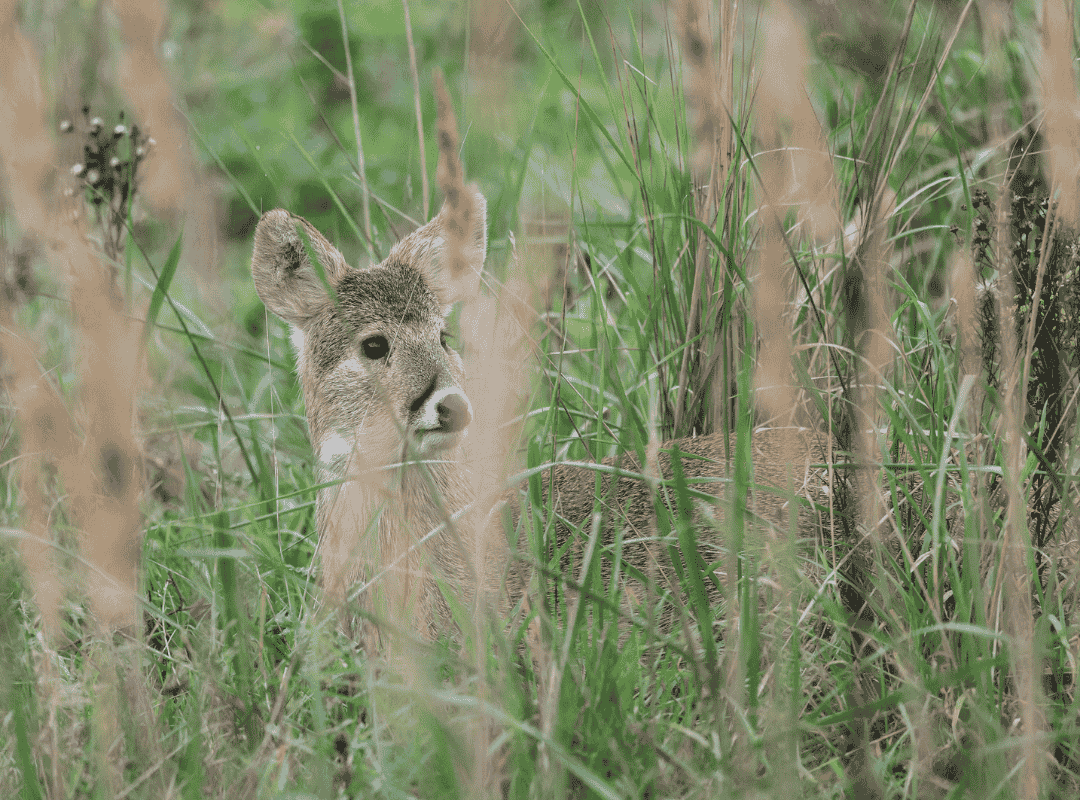
The Hidden Role of Plants in Wildlife Conservation
When we think about wildlife conservation, large mammals and rare birds often come to mind first. Yet conservation begins at ground level, with the plant communities that quietly support entire ecosystems. The plants beneath our feet, many with medicinal or aromatic properties, quietly support pollinators, stabilise soils, regulate water systems and create the conditions that allow larger species to thrive. Their presence is often an indicator of habitat health.
World Wildlife Day is not only about protecting animals. It’s about recognising the interconnected systems that sustain life, from moss in wetland soils to oak trees towering overhead. At Watatunga, these plants are part of the wider story of conservation: habitats managed carefully, grazing balanced naturally, and landscapes allowed to function as ecosystems rather than just scenery.
If you are interested in what we are doing on the reserve to protect wildlife, you can learn more on our conservation and research pages.